
STRENGTHENING WINTER IMMUNITY: NUTRITIONAL STRATEGIES THAT ACTUALLY WORK
- Dott. Fabrizio Di Salvio

- 6 dic 2025
- Tempo di lettura: 5 min
The winter months present unique challenges to our immune system. As temperatures drop and daylight hours shorten, our bodies become more vulnerable to seasonal respiratory infections. At Palazzo Fiuggi, we understand that proper nutrition forms the cornerstone of immune resilience, particularly during these challenging months. Our approach to winter wellness integrates cutting-edge nutritional science with traditional wisdom to create a comprehensive strategy for maintaining robust immunity when you need it most.

The winter season brings with it a perfect storm of factors that can compromise immune function. Reduced sunlight exposure limits vitamin D production, while more time spent indoors increases exposure to circulating pathogens. Additionally, the cold, dry air can impair the protective function of respiratory mucous membranes, creating an environment where viruses thrive and spread more efficiently.
Our nutritional philosophy at Palazzo Fiuggi recognises that food is not merely fuel but medicine—a powerful tool that can either strengthen or weaken your body's natural defences. Through carefully crafted nutritional protocols developed by our team of medical experts in collaboration with three-star Michelin chef Heinz Beck, we offer a sophisticated approach to winter immunity that goes beyond simplistic advice.
WHY IMMUNE FUNCTION DECLINES IN WINTER
During winter, several factors converge to challenge our immune system's effectiveness. Understanding these mechanisms helps us develop targeted nutritional strategies to counteract them.
The reduced exposure to natural sunlight significantly impacts vitamin D synthesis, a crucial nutrient for immune regulation. Research indicates that vitamin D plays a vital role in activating T-lymphocytes and supporting the production of antimicrobial peptides. When levels decline during winter months, the body's ability to mount an effective immune response diminishes accordingly.
Indoor environments present another challenge. Heated spaces typically feature low humidity, which can dry respiratory mucous membranes—our first line of defence against airborne pathogens. This dryness compromises the effectiveness of mucus in trapping and eliminating viruses and bacteria before they can establish infection.
The winter lifestyle often involves less physical activity and altered sleep patterns. Shorter daylight hours can disrupt circadian rhythms, potentially affecting sleep quality. Both regular exercise and restorative sleep are fundamental to maintaining optimal immune function, with studies showing that even moderate sleep deprivation can reduce natural killer cell activity by up to 70%.
Additionally, winter often brings dietary changes that may not support immune health. Seasonal celebrations frequently feature foods high in refined sugars and processed ingredients, which research suggests can temporarily suppress immune cell function and promote inflammatory responses.
ESSENTIAL NUTRIENTS FOR WINTER IMMUNE SUPPORT
The immune system requires specific nutrients to function optimally, particularly during the challenging winter months. Our nutritional approach at Palazzo Fiuggi emphasises these key immune-supporting compounds.
Vitamin C stands as perhaps the most recognised immune nutrient, supporting various cellular functions of both innate and adaptive immunity. It contributes to the formation of the epithelial barrier, enhances microbial killing through neutrophil activity, and protects against oxidative stress generated during infection. Fresh citrus fruits, kiwi, and bell peppers feature prominently in our winter menus to ensure adequate daily intake.
Vitamin A and its precursors (carotenoids) play an equally important role in maintaining the integrity of mucosal surfaces—the body's first line of defence against pathogens. These nutrients support the production of antibodies and the function of immune cells. Our chefs incorporate orange-hued vegetables like carrots, sweet potatoes, and pumpkin into seasonal dishes to provide these essential nutrients.
The mineral zinc deserves special attention for its multifaceted role in immune function. It influences the development and activity of T-lymphocytes, natural killer cells, and other immune mechanisms. Even mild zinc deficiency can impair immune response. Our nutritional protocols include carefully measured portions of zinc-rich foods such as pumpkin seeds, shellfish, and legumes.
Omega-3 fatty acids, particularly EPA and DHA, help regulate inflammatory processes and support immune cell function. These essential fats, found abundantly in oily fish, contribute to resolving inflammation and maintaining immune balance—crucial for preventing excessive inflammatory responses during infection.

THE GUT-IMMUNE CONNECTION IN WINTER HEALTH
The relationship between gut health and immunity becomes particularly relevant during winter. Approximately 70% of the immune system resides within the gut-associated lymphoid tissue, making digestive health fundamental to overall immune competence.
The gut microbiome—the complex community of microorganisms inhabiting our digestive tract—plays a central role in educating and regulating immune responses. These beneficial bacteria help distinguish between harmful pathogens and harmless substances, preventing both infections and inappropriate immune reactions.
Winter dietary patterns often feature fewer fresh fruits and vegetables, potentially reducing the intake of prebiotic fibres that nourish beneficial gut bacteria. Our nutritional approach emphasises fermentable fibres from seasonal vegetables, whole grains, and legumes to support microbial diversity and function.
Fermented foods provide another avenue for supporting gut health during winter. Yoghurt, kefir, and traditionally fermented vegetables deliver probiotic organisms that can temporarily colonise the gut and support immune function. Research indicates that regular consumption of these foods may reduce the incidence and duration of upper respiratory infections—precisely the type that proliferate during colder months.
PALAZZO FIUGGI'S IMMUNE-SUPPORTING NUTRITIONAL PROTOCOL
At Palazzo Fiuggi, our approach to winter immunity transcends conventional dietary advice. Our medical team, working alongside Chef Heinz Beck, has developed a comprehensive nutritional protocol that addresses multiple aspects of immune function simultaneously.
The foundation of our approach lies in personalisation. We recognise that each individual presents unique nutritional needs, genetic predispositions, and health challenges. Through advanced epigenetic testing and comprehensive health assessments, we identify specific nutritional interventions most likely to benefit your particular immune profile.
Our menus feature precisely calibrated combinations of nutrients designed to support cellular regeneration and immune resilience. Rather than simply recommending isolated supplements, we integrate immune-supporting compounds into delicious, satisfying meals that nourish both body and spirit.
Hydration forms another cornerstone of our protocol. The famous Fiuggi water, with its unique mineral composition, supports detoxification processes that can otherwise burden the immune system. This remarkable water helps eliminate toxins that contribute to oxidative stress and inflammation—conditions that can compromise immune function and accelerate cellular ageing.
Through this holistic approach to nutrition as medicine, we help our guests develop resilience against winter infections while simultaneously supporting overall health and longevity. The alimentazione Palazzo Fiuggi philosophy recognises that true immune strength comes not from quick fixes but from comprehensive nutritional strategies that support the body's inherent healing capabilities.
PRACTICAL IMPLEMENTATION FOR DAILY LIFE
While the comprehensive approach at Palazzo Fiuggi offers optimal support for immune function, we understand the importance of practical strategies that can be implemented in everyday life. Here are key principles that can be adapted to your personal circumstances:
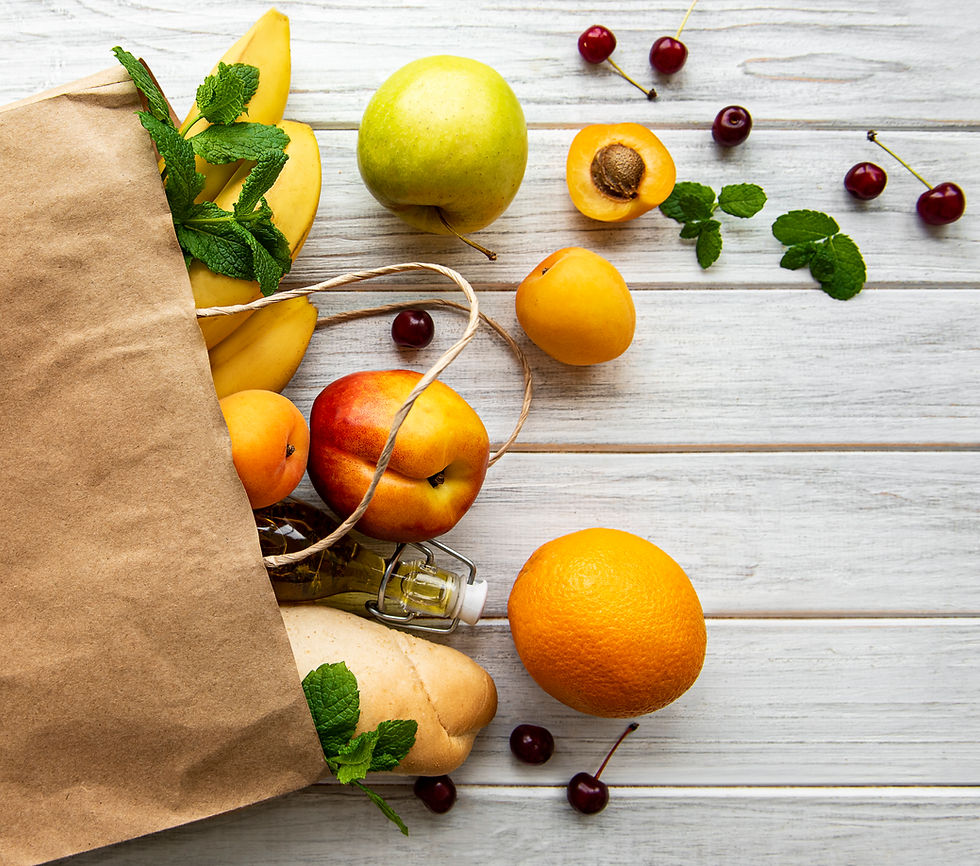
Prioritise nutrient density over caloric content. Focus on foods that deliver maximum nutritional value per calorie, particularly those rich in immune-supporting vitamins and minerals. Dark leafy greens, brightly coloured vegetables, and whole fruits should form the foundation of winter meals.
Incorporate immune-supporting foods at every meal. Rather than occasional "superfoods," aim for consistent intake of immune nutrients throughout the day. A breakfast with berries, lunch featuring leafy greens, and dinner including cruciferous vegetables ensures continuous immune support.
Maintain adequate protein intake, as immune cells require amino acids for production and function. Quality sources like fish, poultry, eggs, and plant proteins should feature regularly in your winter diet.
Limit foods known to compromise immune function, particularly refined sugars and highly processed items. Research suggests that even short-term consumption of these foods can temporarily suppress immune cell activity.
Remember that consistency matters more than perfection. Small, sustainable dietary improvements maintained throughout winter will provide greater immune support than brief periods of restrictive "immune-boosting" regimens.
Through these principles, derived from our comprehensive approach at Palazzo Fiuggi, you can develop a practical nutritional strategy to support winter immune resilience in your daily life.