top of page
Search

In our increasingly urbanised world, where digital screens dominate our attention and indoor environments confine our daily routines, we often overlook one of nature's most accessible remedies for holistic wellbeing. The simple act of stepping outside and immersing ourselves in natural surroundings holds profound implications for our physical vitality, mental clarity, and emotional equilibrium. Contemporary scientific research continues to validate what our ancestors intuitively understood: regular exposure to outdoor environments represents a cornerstone of comprehensive health maintenance. We invite you to explore the evidence-based benefits that await when you prioritise time in nature, particularly through structured programmes that combine movement, mindfulness, and medical oversight.


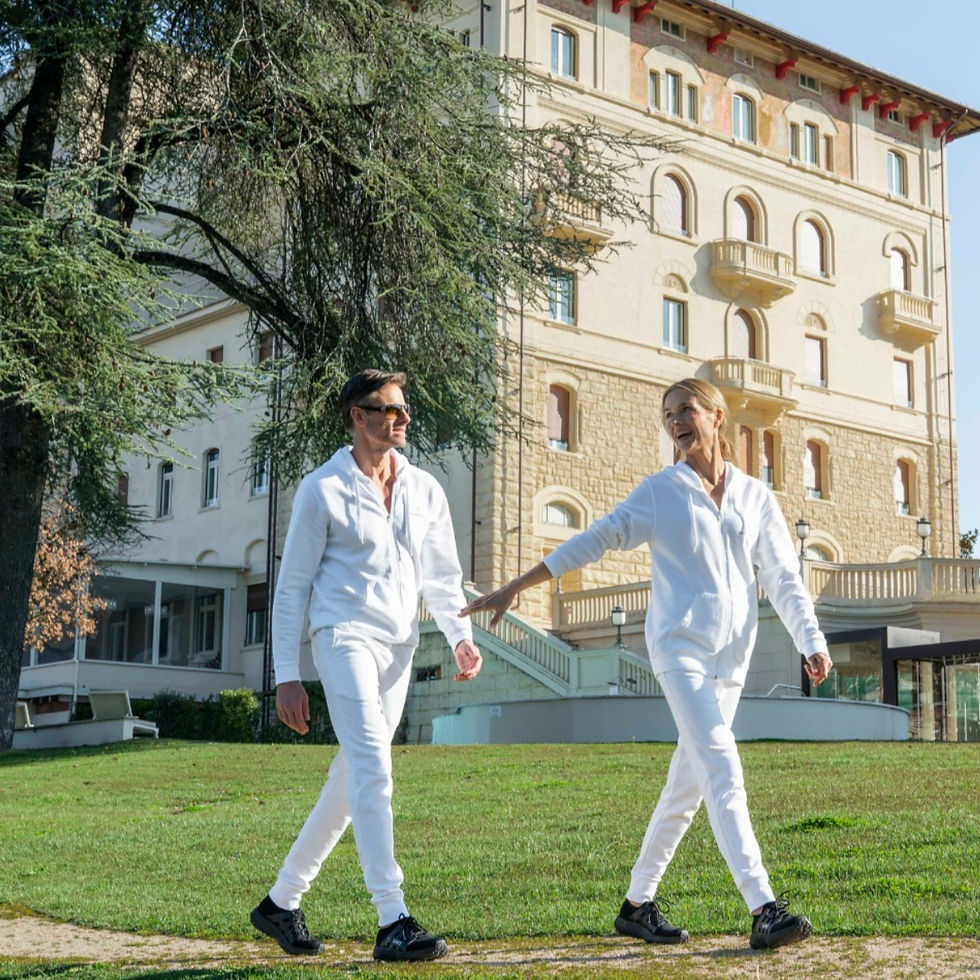
guest oh palazzo fiuggi hiking

The convergence of outdoor activity and natural environments creates a synergistic effect that transcends the sum of its individual components. When you engage with nature through purposeful movement, your body responds with measurable physiological improvements whilst your mind experiences cognitive enhancement. This dual benefit forms the foundation of our approach to longevity-focused wellness, where we integrate the therapeutic properties of natural landscapes with scientifically validated exercise protocols. Our comprehensive programmes recognise that true transformation occurs when we address the interconnected dimensions of human health—physical, mental, and spiritual—within the context of nature's restorative embrace.


THE NEUROLOGICAL RENAISSANCE: HOW NATURAL ENVIRONMENTS RESHAPE COGNITIVE FUNCTION


ENHANCED ATTENTION AND MENTAL CLARITY


Recent investigations into the relationship between outdoor exposure and cognitive performance have revealed remarkable findings that challenge our assumptions about optimal learning and working environments. When you transition from enclosed spaces to natural settings, your brain undergoes measurable changes in attention capacity and information processing efficiency. Research conducted with adolescents aged eleven to thirteen demonstrated that identical physical activities produced significantly superior cognitive outcomes when performed outdoors compared to indoor equivalents. These improvements manifested across multiple domains: enhanced memory retention, sharper selective attention, and improved inhibitory control—the ability to resist distractions and maintain focus on relevant tasks.


The mechanism underlying these cognitive enhancements relates to what researchers term the Attention Restoration Theory. Indoor environments, particularly those filled with technological stimuli, demand constant directed attention—a finite cognitive resource that depletes throughout the day. Natural settings, conversely, engage what scientists call "soft fascination," allowing your directed attention mechanisms to recover whilst your mind remains gently stimulated by organic patterns, movements, and sounds. This restorative process occurs remarkably quickly; even brief exposures of fifteen to twenty minutes can produce measurable improvements in concentration and mental stamina.


For individuals managing attention-related challenges, the therapeutic potential of natural environments proves particularly significant. Studies examining children with attention deficit hyperactivity disorder revealed that a simple walk through parkland produced greater improvements in focus and behavioural regulation than equivalent urban walks. The implications extend beyond clinical populations—anyone experiencing mental fatigue from intensive cognitive work can benefit from strategic outdoor breaks that allow neural recovery whilst maintaining gentle engagement with the environment.


CREATIVE PROBLEM-SOLVING AND FLEXIBLE THINKING


Beyond attention enhancement, outdoor immersion catalyses creative thinking and innovative problem-solving. When you remove yourself from familiar indoor contexts and engage with natural environments, your brain shifts into modes of thinking that favour novel connections and unconventional solutions. Research teams from prominent universities have documented substantial improvements in creative task performance following nature exposure, with participants demonstrating enhanced ability to generate original ideas and approach challenges from multiple perspectives.


This creative enhancement likely stems from several interconnected factors. Natural environments reduce the cognitive load imposed by urban settings, where your brain constantly processes artificial stimuli, navigates social expectations, and responds to technological demands. In nature's relative simplicity, your mind gains freedom to wander, make unexpected associations, and explore conceptual territories that structured indoor environments might suppress. Additionally, the mild physical activity typically accompanying outdoor time increases cerebral blood flow, delivering enhanced oxygen and nutrients to brain regions responsible for executive function and creative synthesis.


We incorporate these insights into our Palazzo Fiuggi programmes, where carefully designed routes through the Apennine landscape provide optimal conditions for mental rejuvenation and creative thinking. The paths we've selected deliberately avoid competitive elements, allowing you to engage with the environment at a pace that supports contemplation rather than performance anxiety. This mindful approach to outdoor movement creates space for the cognitive benefits to fully manifest, supporting not just immediate mental clarity but long-term neuroplasticity—your brain's capacity to form new neural connections and adapt to challenges.


PHYSIOLOGICAL TRANSFORMATION: THE BODY'S RESPONSE TO NATURAL MOVEMENT


CARDIOVASCULAR STRENGTHENING AND METABOLIC OPTIMISATION


When you engage in outdoor physical activity, particularly through structured programmes like Palazzo Fiuggi, your cardiovascular system responds with adaptations that extend far beyond what equivalent indoor exercise might achieve. The varied terrain of natural environments—gentle inclines, uneven surfaces, changing gradients—requires constant physiological adjustment that strengthens your heart, improves circulation, and enhances metabolic efficiency. Unlike the monotonous motion of indoor exercise equipment, outdoor movement patterns engage diverse muscle groups in constantly shifting combinations, promoting balanced development and functional strength applicable to daily life.


The metabolic benefits of outdoor activity prove particularly noteworthy for individuals seeking sustainable weight management and body composition improvement. Exposure to natural light during morning hours, specifically between eight o'clock and midday, influences hormonal systems that regulate appetite, energy expenditure, and fat storage. This circadian alignment—synchronising your activity patterns with natural light cycles—supports metabolic health in ways that indoor exercise cannot replicate. Our programmes incorporate these chronobiological principles, scheduling outdoor activities to maximise hormonal optimisation whilst supporting your body's innate rhythms.


Furthermore, the physical demands of hiking and outdoor walking stimulate muscular transformation that enhances both strength and endurance. The biomechanical complexity of navigating natural terrain activates stabilising muscles often neglected in conventional exercise, improving balance, coordination, and injury resistance. We complement this natural training effect with comprehensive biomechanical assessments through our Human Performance Monitoring systems, allowing us to track your progress and adjust protocols to support optimal muscular development whilst minimising inflammation and overuse risks.


IMMUNE SYSTEM FORTIFICATION


Your immune system responds remarkably to outdoor exposure through multiple complementary pathways. Sunlight triggers the activation of T-cells—specialised immune components that identify and neutralise pathogens—enhancing your body's defensive capabilities against infections. This photobiological effect occurs independently of vitamin D synthesis, representing an additional immune benefit beyond the well-documented importance of adequate vitamin D levels for immune function.


Natural environments offer further immune advantages through exposure to phytoncides—organic compounds released by trees and plants as part of their own defensive systems. When you breathe air rich in these botanical substances during forest walks or mountain hikes, your body responds by increasing the production and activity of natural killer cells, immune components crucial for identifying and eliminating virus-infected cells and potential malignancies. Japanese research into forest bathing, or Shinrin Yoku, has documented these immune enhancements persisting for days following nature exposure, suggesting that regular outdoor activity creates cumulative protective effects.


We recognise these immune benefits as integral to comprehensive longevity strategies. Our Palazzo Fiuggi programmes position you within environments rich in phytoncides whilst the physical activity itself stimulates immune function through improved circulation and lymphatic drainage. Combined with the purifying properties of Fiuggi's renowned waters and our targeted medical treatments, this creates a synergistic approach to immune optimisation that addresses both immediate resilience and long-term health maintenance.


guest of palazzo fiuggi hiking

PSYCHOLOGICAL WELLBEING: NATURE'S IMPACT ON EMOTIONAL HEALTH


STRESS REDUCTION AND EMOTIONAL REGULATION


The psychological benefits of outdoor exposure manifest through measurable changes in stress hormones and neurotransmitter balance. When you spend time in natural settings, your body reduces production of cortisol—the primary stress hormone associated with anxiety, sleep disruption, and numerous chronic health conditions. Simultaneously, natural environments stimulate increased serotonin synthesis, supporting mood stability, emotional resilience, and overall psychological wellbeing. These biochemical shifts occur remarkably quickly; even brief nature exposure can produce detectable improvements in emotional state and stress perception.


The stress-reducing properties of natural environments extend beyond simple relaxation. Regular outdoor activity supports the development of psychological resilience—your capacity to maintain equilibrium when facing challenges and recover effectively from setbacks. This resilience building occurs through multiple mechanisms: the mild physical challenges of outdoor movement build confidence in your capabilities, the aesthetic beauty of natural landscapes provides perspective on daily concerns, and the rhythmic, repetitive nature of walking or hiking induces meditative states that support emotional processing and integration.


Our approach to outdoor wellness emphasises mindfulness practices that amplify these psychological benefits. During Palazzo Fiuggi experiences, we encourage you to engage fully with sensory experiences—the texture of the path beneath your feet, the play of light through forest canopies, the subtle sounds of wind and wildlife. This present-moment awareness, combined with the inherent stress-reducing properties of natural environments, creates profound opportunities for emotional healing and psychological renewal that complement our medical and nutritional interventions.


SOCIAL CONNECTION AND COMMUNITY WELLBEING


Outdoor activities possess unique capacity to foster authentic human connection and strengthen social bonds. When you participate in group hiking or walking programmes, the shared experience of moving through natural landscapes creates opportunities for meaningful interaction that differ qualitatively from indoor social contexts. The side-by-side nature of walking conversations, the collective appreciation of scenic vistas, and the mutual support during physical challenges all contribute to relationship building and community formation.


These social dimensions of outdoor activity carry significant health implications. Strong social connections represent one of the most robust predictors of longevity and life satisfaction, with effects comparable to smoking cessation or regular exercise. The communal aspects of our programmes—designed to avoid competitive dynamics whilst encouraging mutual support—create environments where you can develop connections with fellow participants who share your commitment to health transformation. These relationships often extend beyond the programme duration, providing ongoing motivation and accountability for maintaining healthy lifestyle practices.


VITAMIN D SYNTHESIS AND SKELETAL HEALTH


THE SUNSHINE VITAMIN'S MULTIFACETED ROLES


Adequate vitamin D levels prove essential for numerous physiological processes extending far beyond the commonly recognised role in calcium absorption and bone health. When your skin receives appropriate sunlight exposure—approximately fifteen minutes, two to three times weekly—it synthesises vitamin D in quantities that support immune function, cardiovascular health, and neurological development. This endogenous production represents the optimal form of vitamin D acquisition, as your body naturally regulates synthesis to prevent excessive accumulation whilst ensuring adequate supply.


The challenge in contemporary life stems from our predominantly indoor existence. Many individuals, particularly those in northern latitudes or urban environments with limited green space access, experience chronic vitamin D insufficiency that compromises multiple health systems. Our outdoor programmes address this deficiency through regular, measured sun exposure within natural settings, allowing your body to restore optimal vitamin D status whilst you simultaneously benefit from the movement and psychological advantages of outdoor activity.


We complement natural vitamin D synthesis with comprehensive nutritional support designed by our three-Michelin-starred Chef Heinz Beck in collaboration with our scientific directorate. This culinary approach ensures that your diet provides complementary nutrients—including vitamin K2, magnesium, and omega-3 fatty acids—that work synergistically with vitamin D to support skeletal health, cardiovascular function, and systemic inflammation reduction. The integration of outdoor exposure, targeted nutrition, and medical monitoring creates a comprehensive approach to optimising vitamin D status and its wide-ranging health implications.


CIRCADIAN RHYTHM REGULATION AND SLEEP QUALITY


LIGHT EXPOSURE AND BIOLOGICAL TIMING


Your body operates according to intricate biological rhythms that govern sleep-wake cycles, hormone secretion, body temperature fluctuation, and countless other physiological processes. These circadian rhythms depend critically on environmental light cues, particularly the bright, full-spectrum illumination provided by natural daylight. When you spend time outdoors, especially during morning hours, you provide your internal biological clock with the strong timing signals necessary for optimal rhythm synchronisation.


The practical implications for sleep quality prove substantial. Regular outdoor exposure, particularly in the morning, strengthens circadian rhythms in ways that promote easier sleep initiation, deeper sleep architecture, and more refreshing rest. This effect becomes increasingly important with advancing age, as circadian systems naturally weaken, contributing to the sleep difficulties many older adults experience. By incorporating consistent outdoor activity into your routine, you support robust circadian function that translates directly into improved sleep quality and daytime vitality.


Our programmes recognise the importance of circadian optimisation for comprehensive health transformation. We structure outdoor activities to maximise beneficial light exposure whilst our accommodation and treatment schedules support healthy sleep-wake patterns. This chronobiological approach, combined with the physical fatigue from hiking activity and the stress reduction from nature exposure, creates optimal conditions for restorative sleep that accelerates your body's healing and regeneration processes.


INTRODUCING HIKING FOR LONGEVITY: A SCIENTIFICALLY GROUNDED APPROACH TO OUTDOOR WELLNESS


PROGRAMME PHILOSOPHY AND STRUCTURE


With spring's arrival, we're delighted to reintroduce our Hiking for Longevity programme—a carefully designed group experience scheduled during the first and third weeks of each month, commencing every Monday. This programme represents our commitment to translating scientific insights about outdoor wellness into practical, transformative experiences that support your longevity goals. We've structured the programme around three foundational principles validated by international research: authentic connection with yourself and the natural world, purposeful outdoor physical activity, and mindfulness practices that deepen your engagement with present-moment experience.


Your journey begins with a comprehensive medical evaluation that establishes your baseline health status across multiple dimensions. We conduct detailed health history reviews, define your primary wellness objectives, and recommend protocols specifically tailored to your needs and aspirations. This initial assessment provides the foundation for personalised programme adjustments that ensure you receive optimal benefit whilst maintaining appropriate safety parameters. Upon programme completion, a follow-up medical evaluation documents the improvements you've achieved, providing objective evidence of your transformation and informing your ongoing wellness strategy.


The hiking routes we've selected showcase the stunning Apennine landscape whilst providing graduated physical challenges appropriate for varying fitness levels. We've deliberately designed these paths to eliminate competitive dynamics, allowing you to focus on mindful engagement with the environment rather than performance comparison with other participants. This approach creates space for the full spectrum of outdoor wellness benefits—cognitive enhancement, emotional regulation, creative thinking, and spiritual connection—to manifest naturally as you move through these remarkable natural settings.


INTEGRATED SUPPORT SYSTEMS


Palazzo Fiuggi extends beyond simple outdoor activity to encompass comprehensive support systems that amplify and sustain your transformation. Our culinary programme, developed by Chef Heinz Beck in partnership with our scientific team, provides Mediterranean-inspired cuisine specifically designed to support muscle development, reduce systemic inflammation, and provide the nutritional foundation for optimal physical performance. Each meal balances exceptional flavour with precise nutritional composition, ensuring that your dietary intake supports rather than undermines your wellness objectives.


The purifying properties of Fiuggi's renowned waters represent another integral programme component. These naturally occurring mineral waters support detoxification processes, enhance hydration, and contribute to the overall purification that complements the metabolic activation achieved through outdoor activity. We integrate water therapy with our extensive spa treatments and medical interventions, creating a holistic approach that addresses toxin elimination, muscular recovery, and systemic balance.


Our medical team provides ongoing support throughout your programme participation, monitoring your responses to activity, adjusting protocols as needed, and ensuring that you progress safely toward your objectives. We employ advanced biomechanical assessment technologies through our Human Performance Monitoring systems, allowing precise evaluation of movement patterns, muscular balance, and functional capacity. This data-driven approach ensures that your outdoor activities produce optimal benefits whilst minimising injury risk and supporting sustainable long-term practice.


WALKING FOR LONGEVITY: ACCESSIBLE WELLNESS FOR EVERY STARTING POINT


GENTLE INTRODUCTION TO OUTDOOR MOVEMENT


We recognise that not everyone arrives at our programmes with equivalent fitness levels or outdoor experience. For individuals seeking a gentler introduction to outdoor wellness, we offer Walking for Longevity—a complementary programme featuring accessible routes suitable for all participants, including those beginning from minimal activity baselines. These carefully selected paths provide meaningful health benefits through consistent, moderate-intensity movement that integrates seamlessly into daily routines without requiring advanced fitness or technical hiking skills.


The cardiovascular improvements, muscular strengthening, and vitality enhancement achieved through regular walking rival those of more intensive activities when practiced consistently. Walking's accessibility makes it an ideal foundation for sustainable lifestyle change, as you can maintain the practice independently following programme completion. We provide guidance on incorporating walking into your home environment, whether through urban park routes, neighbourhood circuits, or nature reserve visits, ensuring that the benefits you experience during your time with us continue long after your departure.


CONCLUSION: EMBRACING NATURE AS YOUR WELLNESS PARTNER


The scientific evidence supporting outdoor activity's role in comprehensive health maintenance continues to accumulate, validating what many intuitively sense: we thrive when connected with natural environments through purposeful movement and mindful presence. Whether through structured programmes like Palazzo Fiuggi or simple daily practices of outdoor walking, you possess the capacity to harness nature's therapeutic properties for enhanced physical vitality, mental clarity, emotional equilibrium, and spiritual connection. We invite you to explore these possibilities, allowing the transformative power of outdoor wellness to support your journey toward optimal health and extended vitality.




When spring arrives with its vibrant blossoms and renewed energy, many individuals find themselves battling an invisible adversary that transforms this beautiful season into a period of discomfort. The body's heightened immune response to environmental triggers creates a cascade of inflammatory reactions that affect daily wellbeing, productivity, and overall quality of life. Understanding how respiratory wellness and mental clarity intersect with seasonal sensitivities opens pathways to profound transformation.


At Palazzo Fiuggi management takes a holistic approach, recognising that lasting relief requires addressing not just physical symptoms but the intricate connection between breath, nervous system regulation, and inflammatory responses. Our comprehensive programmes integrate cutting-edge medical diagnostics with mindful breathing practices, creating a foundation for sustainable wellness that extends far beyond temporary symptom suppression.


The relationship between stress, breathing patterns, and immune function forms a critical triangle that determines how severely your body reacts to seasonal triggers. When your nervous system remains in a prolonged state of heightened alert, inflammatory pathways become overactive, amplifying sensitivity to environmental allergens. Chronic tension disrupts the delicate balance of immune regulation, making your body more reactive to substances that might otherwise pass unnoticed.


Through targeted interventions that calm the autonomic nervous system and restore natural breathing rhythms, we help your body rediscover its innate capacity for balance and resilience. This integrated approach recognises that true healing occurs when we address root causes rather than merely masking surface manifestations.


UOMO RESPIRARE MEGLIO A PALAZZO FIUGGI

UNDERSTANDING SEASONAL INFLAMMATORY RESPONSES


The immune system's exaggerated reaction to harmless environmental substances represents a complex interplay of genetic predisposition, environmental exposure, and nervous system regulation. When pollen particles, plant proteins, or other seasonal triggers enter your respiratory passages, specialised immune cells may misidentify these benign substances as dangerous invaders.


This mistaken recognition triggers the release of histamine and other inflammatory mediators, creating the familiar cascade of uncomfortable symptoms. The intensity and duration of these reactions vary significantly based on individual constitution, stress levels, and overall nervous system balance. Understanding this mechanism empowers you to take proactive steps that modulate your body's response rather than simply reacting to symptoms as they arise.


Environmental factors play a substantial role in determining when and how intensely seasonal sensitivities manifest. Climate patterns, geographical location, and local vegetation all influence the types and concentrations of airborne triggers you encounter. Regions with diverse plant ecosystems present multiple potential sensitising agents throughout extended periods, whilst weather conditions such as wind, humidity, and temperature fluctuations affect pollen dispersal and concentration.


Urban environments introduce additional complexity through pollution particles that can enhance the inflammatory potential of natural allergens. Recognising these environmental variables allows for strategic planning and targeted interventions that minimise exposure during peak sensitivity periods.


The genetic component of seasonal sensitivities means that family history often predicts individual susceptibility, yet environmental and lifestyle factors significantly influence whether genetic predisposition manifests as active symptoms. Epigenetic research reveals that stress, nutrition, sleep quality, and breathing patterns can modify gene expression related to immune function.


This understanding shifts the paradigm from viewing seasonal sensitivities as an unchangeable genetic destiny to recognising opportunities for meaningful intervention. By optimising factors within your control, you can influence how your genetic blueprint expresses itself, potentially reducing symptom severity and frequency over time.


THE BREATH-INFLAMMATION CONNECTION


Breathing patterns exert profound influence over inflammatory processes throughout the body, yet this connection often remains overlooked in conventional approaches to seasonal sensitivities. Dysfunctional breathing characterised by shallow chest breathing, mouth breathing, or irregular rhythms activates stress pathways that amplify inflammatory responses.


When you breathe primarily through your mouth or take rapid, shallow breaths, your nervous system interprets these patterns as signals of danger, maintaining a state of heightened alert that exacerbates immune reactivity. Conversely, slow, rhythmic nasal breathing with full diaphragmatic engagement signals safety to your nervous system, promoting parasympathetic activation that naturally dampens inflammatory cascades.


The nasal passages serve as the body's first line of defence against airborne particles, filtering, warming, and humidifying incoming air whilst producing nitric oxide that supports immune function and reduces inflammation. Chronic mouth breathing bypasses these protective mechanisms, allowing unfiltered air laden with potential triggers to reach sensitive respiratory tissues.


Additionally, mouth breathing alters the pH balance of airways and reduces beneficial nitric oxide production, creating conditions that favour inflammatory responses. Retraining breathing patterns to favour nasal breathing provides immediate protective benefits whilst supporting long-term immune regulation.


Breath retention practices and specific breathing rhythms influence carbon dioxide levels in the blood, which in turn affects oxygen delivery to tissues and cellular metabolism. Optimal carbon dioxide levels support efficient oxygen utilisation and help maintain the slightly alkaline pH that discourages inflammatory processes.


Many individuals with seasonal sensitivities exhibit chronic hyperventilation patterns that deplete carbon dioxide, creating conditions that paradoxically reduce oxygen availability to cells despite adequate breathing volume. Gentle breath training that restores healthy carbon dioxide levels can significantly reduce inflammatory tendencies whilst improving overall vitality and resilience.


NERVOUS SYSTEM REGULATION AND IMMUNE BALANCE


The autonomic nervous system functions as the master regulator of immune responses, determining whether your body mounts an appropriate, measured reaction or an exaggerated inflammatory cascade. When sympathetic activation dominates—the "fight or flight" state—immune cells become primed for aggressive responses, interpreting ambiguous signals as threats requiring vigorous defence.


This heightened reactivity transforms harmless environmental substances into perceived dangers, triggering the release of inflammatory mediators that create uncomfortable symptoms. Chronic stress maintains this state of hypervigilance, ensuring that seasonal triggers consistently provoke intense reactions.


Parasympathetic activation—the "rest and restore" state—creates the internal environment necessary for balanced immune function and natural anti-inflammatory processes. In this state, your body can accurately distinguish genuine threats from benign environmental substances, responding proportionately rather than overreacting.


Vagal tone, a measure of parasympathetic nervous system activity, correlates inversely with inflammatory markers; higher vagal tone associates with reduced inflammation and more balanced immune responses. Practices that enhance vagal tone, including specific breathing techniques, mindful movement, and stress reduction, provide powerful tools for modulating seasonal sensitivity.


The bidirectional communication between the nervous system and immune cells means that interventions targeting nervous system regulation directly influence immune behaviour. Specialised receptors on immune cells respond to neurotransmitters and hormones released during different nervous system states, adjusting their activity accordingly.


When you engage practices that shift your nervous system toward parasympathetic dominance, immune cells receive biochemical signals that promote balanced, measured responses. This neuroimmunomodulation represents a sophisticated internal pharmacy that you can access through conscious breathing and mindfulness practices, reducing reliance on external interventions.


COMPREHENSIVE ASSESSMENT AT PALAZZO FIUGGI

VISITA MEDICA A PALAZZO FIUGGI

Our initial medical and holistic evaluations enable us to determine your complete psycho-physical and spiritual health status, creating a detailed map of factors contributing to seasonal sensitivities. We conduct thorough health histories, define your primary wellness objectives, and recommend protocols specifically tailored to address your unique needs and expectations.


This personalised approach recognises that seasonal inflammatory responses reflect individual constitutional patterns, stress levels, nutritional status, and breathing habits that require customised interventions rather than one-size-fits-all solutions.


Our diagnostic panel encompasses medical testing, genetic and epigenetic analysis, hormonal assessments, microbiome evaluation, and metabolic profiling. These comprehensive investigations reveal underlying imbalances that may amplify seasonal sensitivities, including hormonal dysregulation, gut microbiome disruption, nutritional deficiencies, or metabolic inefficiencies.


Bioelectrical impedance analysis measures body composition, hydration levels, and the percentages of fat mass and lean mass, providing insights into metabolic health that influences inflammatory tendencies. This multidimensional assessment creates a foundation for targeted interventions that address root causes rather than merely suppressing symptoms.


Advanced testing modalities identify specific triggers and measure inflammatory markers, allowing precise calibration of therapeutic approaches. Skin reactivity assessments and blood analyses determine which environmental substances provoke immune responses, whilst inflammatory biomarkers reveal the intensity and character of your body's reactions.


This detailed information guides personalised protocols that may include nutritional modifications, targeted supplementation, breathing retraining, stress management techniques, and when appropriate, conventional medical interventions. The integration of multiple therapeutic modalities creates synergistic effects that exceed what any single approach could achieve.


BREATH AND MINDSET: DETOXIFICATION SUPPORT


Stress and dysfunctional breathing patterns can maintain your body in a prolonged state of sympathetic activation, significantly slowing natural detoxification processes. During individual sessions focused on breath and mindset for detoxification, calming breathing techniques gently regulate your nervous system, activating the parasympathetic state of rest and regeneration.


This shift supports your body's innate purification processes whilst simultaneously fostering greater mental tranquillity. When practised daily, these techniques amplify the benefits of detoxification treatments, deepening your body's rebalancing process and restoring internal harmony.


The lymphatic system, responsible for removing cellular waste and inflammatory byproducts, relies heavily on movement and breathing to function optimally. Unlike the cardiovascular system with its muscular pump, lymphatic circulation depends on muscle contractions and pressure changes created by breathing. Deep diaphragmatic breathing creates rhythmic pressure variations that propel lymphatic fluid, enhancing waste removal and reducing inflammatory burden. Specific breathing patterns can target lymphatic drainage from areas particularly affected by seasonal sensitivities, including the sinuses, throat, and upper respiratory passages.


Mental clarity and emotional balance profoundly influence detoxification efficiency, as psychological stress generates inflammatory mediators and oxidative compounds that burden elimination pathways. Mindset practices that cultivate calm awareness and positive mental states reduce this self-generated toxic load, allowing your body to focus resources on processing environmental exposures.


The integration of breathing techniques with mindset cultivation creates a powerful synergy, simultaneously reducing stress-related toxin production whilst enhancing elimination capacity. Upon completion of these sessions, you carry away simple conscious breathing rituals to integrate into daily life, supporting ongoing detoxification and renewed wellbeing long after your stay.


LIGHTNESS AND BODILY HARMONY: OPTIMAL WEIGHT


Emotional tensions and inefficient breathing can maintain your body in a state of prolonged alertness, hindering metabolism, digestion, and habits that favour long-term optimal weight maintenance. Conscious breathing techniques help calm the nervous system whilst simultaneously strengthening a mindset that supports lasting change. As your body begins to transform, your mind follows suit. These practices foster lighter internal dialogue, greater self-confidence, and a more balanced relationship with food and your physical form.


The stress hormone cortisol, released during sympathetic nervous system activation, promotes fat storage particularly in the abdominal region whilst simultaneously breaking down muscle tissue. Chronic stress-induced cortisol elevation creates metabolic conditions that resist weight optimisation efforts, regardless of dietary modifications or exercise programmes.


By shifting nervous system balance toward parasympathetic dominance through breathing practices, you naturally reduce cortisol levels, creating hormonal conditions that favour healthy body composition. This physiological shift complements nutritional and movement interventions, removing obstacles that previously undermined weight management efforts.


Mindful breathing practices enhance interoceptive awareness—your ability to perceive internal bodily sensations—which plays a crucial role in recognising genuine hunger, satiety, and emotional eating triggers. Many individuals with weight challenges have diminished interoceptive sensitivity, making it difficult to distinguish physical hunger from emotional needs or habitual eating patterns.


Breathing-focused mindfulness strengthens this internal perception, allowing you to respond appropriately to your body's actual needs rather than reacting to conditioned patterns or emotional discomfort. This enhanced self-awareness supports sustainable behavioural changes that naturally align with optimal weight maintenance.


Practised daily, this approach amplifies the benefits of the Optimal Weight programme, supporting metabolic balance and the adoption of healthy, natural, and sustainable habits. You take away simple yet effective rituals for maintaining a sense of mental and physical lightness over time.


These practices become integrated tools that support your ongoing journey, providing resources you can access whenever challenges arise. The transformation extends beyond physical measurements to encompass improved energy, enhanced self-image, and a renewed sense of vitality that permeates all aspects of life.


ENHANCING VITALITY AND RESILIENCE: LONGEVITY


Longevity science increasingly recognises the nervous system as a key element in regulating healthy ageing. Chronic stress and inefficient breathing can accelerate biological wear, whilst balanced breathing favours better oxygen utilisation, recovery, and the body's natural regenerative processes.


During these individual longevity-oriented breathing sessions, we promote nervous system regulation and stress management whilst simultaneously fostering a mindset aligned with your body's natural capacity to live fully, with optimism and a lasting sense of joy.


Cellular senescence—the accumulation of aged, dysfunctional cells—represents a primary driver of biological ageing and age-related inflammation. Chronic stress accelerates cellular senescence through multiple mechanisms, including oxidative damage, telomere shortening, and epigenetic modifications that impair cellular function. Conversely, parasympathetic nervous system activation supports cellular repair mechanisms, enhances antioxidant defences, and promotes the clearance of senescent cells. Breathing practices that consistently activate parasympathetic pathways provide a simple yet powerful intervention for slowing biological ageing at the cellular level.


The relationship between breathing patterns and mitochondrial function—the energy-producing capacity of cells—significantly influences vitality and longevity. Optimal breathing ensures efficient oxygen delivery to mitochondria whilst maintaining carbon dioxide levels that support cellular metabolism.


Dysfunctional breathing patterns compromise mitochondrial efficiency, reducing cellular energy production and increasing oxidative stress that damages cellular structures. Breath training that optimises gas exchange and cellular oxygenation enhances mitochondrial function, supporting the sustained energy production essential for vitality throughout the lifespan.


When practised consistently, these breathing and mental awareness rituals enrich the integrated approach of the Longevity programme, offering simple yet transformative tools for sustaining vitality over time, even after your stay. The practices become woven into your daily routine, requiring minimal time yet providing profound benefits that accumulate over months and years. This long-term perspective recognises that sustainable wellness emerges from consistent small actions rather than intensive short-term interventions, creating a foundation for vibrant health that endures.


GROUP EXPERIENCE: BREATH, MINDSET, AND ENERGY


COPPIA DI OSPITI A PALAZZO FIUGGI

Immerse yourself in the shared energy of an immersive group experience dedicated to conscious breathing and mindset, where guided practices accompany you toward relaxation, lightness, and inner peace. Each session is adaptable and immersive, offering individual benefits whilst the group's energy amplifies the transformation process. The collective intention and synchronised breathing create a field of coherence that enhances individual experiences, demonstrating the power of community in supporting personal wellness journeys.


Group breathing practices generate measurable physiological synchronisation among participants, with heart rate variability, breathing rhythms, and even brain wave patterns showing increased coherence. This collective physiological alignment creates conditions that facilitate deeper relaxation and more profound shifts in nervous system state than individual practice alone might achieve. The shared experience also provides social connection and mutual support, addressing the isolation that often accompanies chronic health challenges and contributing to overall wellbeing through enhanced sense of belonging.


Guided visualisations and mindset practices within the group setting introduce new perspectives and possibilities that individual contemplation might not access. Hearing others' insights and experiences broadens your understanding of your own patterns whilst providing inspiration and practical strategies. The group format creates accountability and motivation, encouraging consistent practice and deeper exploration than you might pursue independently. These collective sessions complement individual work, providing both personal attention and the amplified benefits of shared intention.


INTEGRATING BREATHING PRACTICES WITH SEASONAL WELLNESS


The synergy between conscious breathing and comprehensive seasonal sensitivity management creates outcomes that exceed what either approach achieves independently. Breathing practices enhance the effectiveness of nutritional interventions, herbal remedies, and conventional treatments by creating internal conditions that favour healing and balance. Simultaneously, addressing nutritional deficiencies, reducing inflammatory triggers, and supporting detoxification pathways makes breathing practices more effective by removing obstacles to nervous system regulation.


Timing breathing practices strategically throughout the day maximises their impact on seasonal sensitivity symptoms. Morning sessions prepare your nervous system for the day ahead, creating resilience before encountering environmental triggers. Midday practices provide reset opportunities, interrupting stress accumulation and preventing the escalation of inflammatory responses. Evening sessions support parasympathetic activation necessary for restorative sleep, during which immune regulation and tissue repair occur. This rhythmic approach to breathing practice aligns with natural circadian patterns, enhancing overall effectiveness.


Specific breathing techniques target different aspects of seasonal sensitivity management. Slow, extended exhalations activate parasympathetic pathways and reduce immediate inflammatory responses. Alternate nostril breathing balances nervous system activity and clears nasal passages. Breath retention practices optimise carbon dioxide levels and enhance oxygen delivery. Humming during exhalation increases nitric oxide production in nasal passages, providing anti-inflammatory and antimicrobial benefits. Learning which techniques address your specific needs empowers you to respond effectively to varying circumstances and symptoms.


SUSTAINABLE TRANSFORMATION BEYOND YOUR STAY


The true measure of successful intervention lies not in temporary symptom relief but in lasting transformation that continues long after formal treatment concludes. At Palazzo Fiuggi management emphasises equipping you with practical tools and deep understanding that support ongoing wellness. The breathing rituals, mindset practices, and self-awareness you develop become permanent resources, accessible whenever needed and adaptable to changing circumstances. This educational approach transforms you from passive recipient of treatment to active participant in your ongoing health journey.


Establishing consistent daily practices requires intention and structure, particularly during the transition from the supportive environment of a wellness retreat to the demands of everyday life. We provide specific guidance for integrating practices into your existing routines, identifying optimal times and contexts that ensure sustainability. Starting with brief, manageable sessions and gradually expanding as practices become habitual increases long-term adherence. Tracking your experiences through journaling or simple metrics helps maintain motivation and allows you to observe progress that might otherwise go unnoticed.


The relationship between breathing, nervous system regulation, and inflammatory responses means that consistent practice creates cumulative benefits that deepen over time. Initial improvements in symptom management evolve into fundamental shifts in how your body responds to seasonal triggers. Many individuals find that symptoms that once seemed inevitable gradually diminish or disappear entirely as nervous system balance becomes established. This transformation reflects genuine healing rather than symptom suppression, addressing root causes and restoring your body's innate capacity for balanced immune function.


In our modern world, where processed meals and environmental stressors constantly challenge our wellbeing, the concept of supporting your body's innate purification mechanisms has gained considerable attention. We understand that genuine wellness doesn't emerge from drastic measures or miraculous solutions, but rather from thoughtful nutritional choices that honour your body's sophisticated biological systems. Green vegetables, herbs, and plant-based ingredients represent nature's most elegant approach to supporting hepatic function, renal efficiency, and digestive harmony without imposing unnecessary strain on your organism.


dining at palazzo fiuggi

At Palazzo Fiuggi, we recognise that sustainable vitality stems from understanding how specific nutrients interact with your unique physiological requirements. Our approach centres on personalised nutrition that respects your individual metabolic profile whilst incorporating ingredients that naturally facilitate your body's cleansing pathways.


The verdant spectrum of vegetables, from leafy greens to cruciferous varieties, offers a sophisticated array of phytonutrients, antioxidants, and bioactive compounds that work synergistically to support optimal cellular function. These aren't extraordinary superfoods requiring exotic sourcing—they're accessible, seasonal ingredients that have sustained human health for millennia.


The philosophy behind incorporating green foods into your dietary pattern extends beyond temporary cleansing protocols. We advocate for a comprehensive understanding of how chlorophyll-rich vegetables, aromatic herbs, and fibre-dense legumes contribute to sustained metabolic balance.


When you consume these ingredients regularly, you're not merely "detoxifying" in the conventional sense; you're providing your hepatic cells with the cofactors they require for phase one and phase two biotransformation, supporting your intestinal microbiome with prebiotic fibres, and ensuring adequate hydration through water-rich produce. This holistic perspective aligns with our commitment to evidence-based wellness strategies that produce lasting results rather than fleeting improvements.


UNDERSTANDING YOUR BODY'S INNATE PURIFICATION SYSTEMS


Your organism possesses remarkably sophisticated mechanisms for processing and eliminating metabolic waste products, environmental compounds, and dietary constituents that no longer serve physiological functions. The hepatic system, comprising your liver and biliary pathways, performs hundreds of biochemical transformations daily, converting lipid-soluble substances into water-soluble metabolites that can be safely excreted. Your renal system filters approximately 180 litres of blood daily, selectively retaining essential nutrients whilst eliminating nitrogenous waste and excess minerals.


Meanwhile, your gastrointestinal tract, housing trillions of microbial organisms, serves as both a barrier and a processing centre, determining which substances gain entry to your bloodstream and which remain confined to the intestinal lumen.


These systems function optimally when provided with adequate nutritional support. Specific vitamins, minerals, amino acids, and phytochemicals serve as cofactors for enzymatic reactions that facilitate biotransformation. For instance, sulphur-containing compounds found abundantly in cruciferous vegetables activate phase two conjugation pathways, whilst antioxidants from leafy greens protect hepatocytes from oxidative stress during metabolic processing. Understanding this biochemistry allows us to design nutritional interventions that genuinely support your body's capabilities rather than imposing artificial cleansing protocols that may actually burden these systems.


At Palazzo Fiuggi, we conduct comprehensive assessments to determine how efficiently your purification pathways are functioning. Through advanced diagnostic panels examining hepatic enzymes, renal markers, inflammatory indicators, and microbiome composition, we identify specific areas requiring nutritional support.


This personalised approach ensures that the green foods we recommend for your menu aren't selected arbitrarily but are precisely matched to your physiological requirements. Perhaps your phase two conjugation pathways would benefit from increased cruciferous vegetable intake, or your intestinal barrier function requires the mucilaginous fibres found in certain legumes. This specificity transforms nutrition from guesswork into precision medicine.


CRUCIFEROUS VEGETABLES: BIOCHEMICAL POWERHOUSES FOR HEPATIC SUPPORT


The Brassicaceae family encompasses some of nature's most potent supporters of hepatic biotransformation. Broccoli, cauliflower, Brussels sprouts, kale, and cabbage contain glucosinolates—sulphur-containing compounds that, when chewed or chopped, convert into isothiocyanates and indoles. These metabolites have been extensively studied for their ability to upregulate phase two detoxification enzymes, particularly glutathione S-transferases and UDP-glucuronosyltransferases. By enhancing these enzymatic pathways, cruciferous vegetables facilitate the conjugation and elimination of various compounds, from pharmaceutical metabolites to environmental pollutants.


Beyond their enzymatic effects, these vegetables provide substantial quantities of vitamin C, folate, and fibre. Vitamin C serves as a cofactor for numerous hydroxylation reactions whilst also regenerating other antioxidants like vitamin E. Folate participates in methylation reactions essential for DNA synthesis and neurotransmitter production. The fibre content, particularly the insoluble variety, promotes intestinal motility and provides substrate for beneficial colonic bacteria, which produce short-chain fatty acids that nourish colonocytes and modulate systemic inflammation. This multifaceted nutritional profile makes cruciferous vegetables indispensable components of any health-promoting dietary pattern.


We recommend consuming these vegetables in varied preparations to maximise their benefits. Light steaming preserves myrosinase, the enzyme responsible for converting glucosinolates into their active forms, whilst also making certain nutrients more bioavailable. Raw consumption in salads or as crudités maintains maximum vitamin C content. Fermentation, as in sauerkraut or kimchi, introduces probiotic organisms whilst potentially enhancing the bioavailability of certain phytonutrients. At Palazzo Fiuggi, our culinary team, trained under the guidance of renowned chefs, prepares these vegetables in ways that optimise both nutritional value and palatability, ensuring you genuinely enjoy incorporating them into your daily routine.


LEAFY GREENS: CHLOROPHYLL AND MICRONUTRIENT DENSITY


Spinach, rocket, Swiss chard, watercress, and various salad leaves offer exceptional micronutrient density relative to their caloric content. These vegetables provide substantial quantities of vitamins A, C, and K, along with minerals including magnesium, potassium, and iron. Vitamin K plays crucial roles in blood coagulation and bone metabolism, whilst magnesium serves as a cofactor for over 300 enzymatic reactions, including those involved in energy production and protein synthesis. The potassium content helps maintain proper fluid balance and supports cardiovascular function, particularly important for individuals with elevated sodium intake.


The chlorophyll content of these greens has garnered attention for its potential chelating properties. Whilst the evidence for chlorophyll directly binding heavy metals in humans remains preliminary, chlorophyll derivatives have demonstrated antioxidant and anti-inflammatory properties in various studies. More importantly, the overall phytochemical profile of leafy greens—including carotenoids like lutein and zeaxanthin, flavonoids, and phenolic acids—provides robust protection against oxidative stress. These compounds neutralise reactive oxygen species generated during normal metabolism and environmental exposures, thereby reducing the oxidative burden on cellular structures.


We encourage you to explore the diverse world of leafy greens beyond common varieties. Bitter leaves like dandelion and endive contain sesquiterpene lactones that stimulate digestive secretions, potentially enhancing nutrient absorption and hepatic bile production. Peppery greens like rocket and watercress contain glucosinolates similar to cruciferous vegetables, offering additional support for biotransformation pathways.


At Palazzo Fiuggi, we source seasonal, locally-grown greens whenever possible, ensuring maximum freshness and nutrient retention. Our Heinz Beck Cookery School teaches you to select, store, and prepare these ingredients properly, empowering you to maintain these practices when you return home.


heinz beck and guests at palazzo fiuggi

AROMATIC HERBS: CONCENTRATED PHYTOCHEMICAL SUPPORT


Parsley, coriander, basil, mint, and other culinary herbs provide concentrated sources of volatile oils, flavonoids, and other bioactive compounds. Despite being consumed in relatively small quantities, these herbs contribute meaningfully to your overall phytonutrient intake.


Parsley, for instance, contains apigenin and luteolin, flavonoids with demonstrated anti-inflammatory and antioxidant properties. It also provides vitamin K and folate, along with volatile oils that may support renal function by promoting diuresis. Coriander has been traditionally used in various cultures for digestive support, and preliminary research suggests its essential oils may possess antimicrobial properties.


The culinary versatility of herbs makes them easy to incorporate into diverse dishes. Fresh herbs can be added to salads, blended into pestos and sauces, infused into oils, or steeped as tisanes. Each preparation method extracts different compounds—water-soluble vitamins and minerals in infusions, lipid-soluble terpenes in oil-based preparations. This variety allows you to benefit from the full spectrum of phytochemicals these plants offer. Moreover, the aromatic qualities of herbs enhance the sensory appeal of meals, making nutritious eating genuinely pleasurable rather than a chore.


At Palazzo Fiuggi, we maintain herb gardens that supply our kitchens with the freshest possible ingredients. We believe that connecting with the source of your food—understanding how it grows, when it's in season, and how to harvest it—deepens your appreciation for nutrition as a form of self-care. During your stay, you'll have opportunities to visit these gardens, learn about different herb varieties, and discover how to cultivate your own herbs at home. This hands-on education transforms abstract nutritional concepts into tangible, practical skills you can apply throughout your life.


LEGUMES: FIBRE, PROTEIN, AND PREBIOTIC SUPPORT


Lentils, chickpeas, various beans, and peas offer a unique nutritional profile combining substantial protein content with complex carbohydrates and diverse fibres. The protein in legumes, whilst not complete in all essential amino acids, becomes nutritionally complete when combined with whole grains—a principle underlying many traditional dietary patterns worldwide. This plant-based protein provides the amino acids necessary for synthesising glutathione, your body's master antioxidant, which plays central roles in phase two biotransformation and cellular protection against oxidative damage.


The fibre content of legumes deserves particular attention. Soluble fibres, including pectins and beta-glucans, form viscous gels in the digestive tract that slow glucose absorption, promote satiety, and bind bile acids for excretion. This bile acid binding forces your liver to synthesise new bile from cholesterol, thereby reducing circulating cholesterol levels. Insoluble fibres accelerate intestinal transit, reducing the duration that potentially harmful substances remain in contact with the intestinal mucosa. Additionally, resistant starches in legumes reach the colon intact, where they serve as substrate for beneficial bacteria, promoting a diverse and resilient microbiome.


We recognise that some individuals experience digestive discomfort when consuming legumes, particularly if they're unaccustomed to high-fibre foods. This typically results from rapid fermentation by colonic bacteria, producing gas as a byproduct. We address this through gradual introduction, starting with smaller portions and well-cooked preparations, whilst simultaneously supporting your microbiome with probiotic-rich foods.


Proper preparation techniques—including soaking, sprouting, and thorough cooking—reduce oligosaccharides responsible for fermentation whilst improving mineral bioavailability. At Palazzo Fiuggi, our nutritionists work with you to identify the optimal legume varieties and preparation methods for your individual tolerance, ensuring you can benefit from these nutritious foods without discomfort.


HYDRATION: THE FOUNDATION OF ALL PURIFICATION PROCESSES


Adequate fluid intake represents perhaps the most fundamental aspect of supporting your body's elimination pathways. Water serves as the medium for virtually all biochemical reactions, transports nutrients to cells, and carries metabolic waste products to excretory organs. Your kidneys require sufficient fluid volume to maintain glomerular filtration rate and produce dilute urine that efficiently eliminates nitrogenous waste, excess minerals, and water-soluble metabolites. Inadequate hydration forces your kidneys to concentrate urine, potentially increasing the risk of crystallisation and stone formation whilst reducing overall elimination efficiency.


Beyond plain water, certain beverages can provide additional benefits. Herbal infusions made from fennel, peppermint, or ginger offer both hydration and specific phytochemicals that may support digestive comfort. Green tea provides catechins with antioxidant properties, though its caffeine content means it shouldn't completely replace water. Vegetable broths contribute minerals and amino acids along with fluid. However, we recommend avoiding beverages with added sugars, artificial sweeteners, or excessive caffeine, as these may impose metabolic burdens that counteract the benefits of hydration.


At Palazzo Fiuggi, we're uniquely positioned to offer you access to naturally mineral-rich waters from the historic Fiuggi springs, renowned for centuries for their potential benefits to renal health. These waters contain a specific mineral composition that may support urinary tract function. We incorporate these waters into your personalised hydration protocol, ensuring you receive optimal fluid intake tailored to your body weight, activity level, and climate conditions. Our nutritionists teach you to monitor your hydration status through simple indicators like urine colour and frequency, empowering you to maintain proper hydration independently.


guests of palazzo fiuggi

PERSONALISED NUTRITION: BEYOND GENERIC RECOMMENDATIONS


Whilst the green foods discussed offer broad benefits, we recognise that your nutritional requirements are uniquely yours. Genetic variations influence how efficiently you metabolise certain compounds, absorb specific nutrients, and respond to dietary interventions. Epigenetic factors—how your genes are expressed based on environmental and lifestyle influences—further modulate these responses. Your current health status, including any chronic conditions, medications, or digestive sensitivities, necessitates careful consideration when designing your nutritional protocol.


At Palazzo Fiuggi, we begin with comprehensive assessments examining your medical history, current symptoms, lifestyle factors, and wellness objectives. Our diagnostic panel includes advanced testing—genetic analyses identifying polymorphisms affecting nutrient metabolism, epigenetic markers revealing how environmental factors have influenced gene expression, hormonal evaluations assessing endocrine balance, microbiome analyses characterising your intestinal bacterial composition, and metabolic assessments measuring how efficiently your body processes nutrients. This data provides unprecedented insight into your physiological state, allowing us to design truly personalised interventions.


Based on these findings, we create your individualised menu featuring the green foods and other ingredients most beneficial for your specific requirements. Perhaps your genetic profile suggests enhanced benefits from increased cruciferous vegetable intake due to variations in glutathione S-transferase genes. Maybe your microbiome analysis reveals dysbiosis that would respond well to specific prebiotic fibres from particular legumes. Or your metabolic assessment might indicate impaired methylation requiring increased folate from leafy greens. This precision approach ensures that every meal contributes meaningfully to your wellness objectives rather than following generic dietary trends.


CULINARY EDUCATION: SUSTAINING HEALTHY HABITS BEYOND YOUR STAY


We understand that lasting wellness requires more than temporary dietary changes during your time with us. True transformation occurs when you integrate healthy practices into your daily life permanently. This is why we've established the Heinz Beck Cookery School at Palazzo Fiuggi—to equip you with practical culinary skills that make nutritious eating both achievable and enjoyable at home. Under the guidance of world-class chefs, you'll learn to select fresh, seasonal ingredients, prepare them using techniques that preserve nutritional value, and create dishes that satisfy both your palate and your physiological requirements.


Our cooking classes cover essential skills including knife techniques for efficiently preparing vegetables, methods for cooking greens to optimal tenderness whilst retaining nutrients, strategies for enhancing flavour without excessive salt or unhealthy fats, and approaches to meal planning that ensure dietary variety. You'll discover how to transform simple ingredients like kale, lentils, and herbs into restaurant-quality dishes you'll genuinely look forward to eating. This practical education demystifies healthy cooking, revealing it as an accessible, creative practice rather than a restrictive chore.


Beyond technical skills, we help you develop a sustainable relationship with food. You'll learn to listen to your body's hunger and satiety signals, distinguish between physical hunger and emotional eating, and make conscious choices that align with your wellness goals without feeling deprived. We address common obstacles to healthy eating—time constraints, budget considerations, family preferences—and provide practical solutions tailored to your circumstances. This comprehensive approach ensures that the improvements you experience during your stay at Palazzo Fiuggi become permanent lifestyle changes rather than temporary interventions.


CONCLUSION: EMBRACING NATURAL WELLNESS THROUGH THOUGHTFUL NUTRITION


Supporting your body's innate purification mechanisms through green foods represents an elegant, evidence-based approach to wellness that respects your physiological sophistication. Rather than imposing extreme restrictions or relying on unproven cleansing protocols, we advocate for incorporating nutrient-dense vegetables, herbs, and legumes into a balanced dietary pattern personalised to your unique requirements. These foods provide the vitamins, minerals, fibres, and phytochemicals your hepatic, renal, and digestive systems require to function optimally, whilst also offering culinary pleasure and satisfaction.


At Palazzo Fiuggi, we're committed to guiding you towards sustainable wellness through comprehensive assessment, personalised nutrition, and practical education. We recognise that genuine health emerges from understanding your body's individual needs and providing it with appropriate support—not from following generic trends or seeking quick fixes. The green foods we've discussed represent just one component of a holistic approach that also encompasses stress management, physical activity, restorative sleep, and emotional wellbeing. By addressing all these dimensions, we help you achieve lasting vitality that extends far beyond your time with us, empowering you to live your fullest, healthiest life.


bottom of page