top of page
Search

Menopause, the natural transition marking the end of a woman's reproductive years, is a phase that every woman will experience in her lifetime. Despite its universality, menopause remains shrouded in mysteries and uncertainties. In this article, we will delve into the various aspects of menopause, exploring its definition, symptoms, and the challenges it presents. By shedding light on these secret symptoms, we aim to empower women with knowledge and awareness to navigate this transformative phase with confidence.


DONNE CHE SORRIDONO MENTRE BEVONO UN THE SUL DIVANO

UNDERSTANDING MENOPAUSE

Menopause is characterized by the cessation of spontaneous menstruation for a period of 12 consecutive months. While the average age of menopause falls between 49 and 52, individual experiences may vary. Factors such as smoking, low body mass index (BMI), nulliparity, and lower education levels have been associated with an earlier onset of menopause. It is important to note that menopause is not a singular moment but rather a dynamic transition that occurs over several years, involving changes in menstrual cycles and other bodily functions.


UNVEILING THE SYMPTOMS

The transition period leading up to menopause, known as perimenopause, often presents with symptoms such as irregular menstrual cycles, hot flashes, night sweats, and insomnia. These symptoms can be unsettling and disrupt daily life. Additionally, the post-menopausal phase brings its own set of challenges, including vulvovaginal and urogenital atrophy, dyspareunia, vaginal dryness, urinary tract problems, mood swings, and alterations in libido and concentration.


HOT FLASHES: THE UNPREDICTABLE SURGES OF HEAT

Among the most notorious symptoms of menopause are hot flashes. Hot flashes are spontaneous sensations of heat that typically start in the chest and radiate to the neck and face. They are often accompanied by sweating and can be followed by chills. Although the exact cause of hot flashes is still unknown, it is believed to be related to the hypothalamus, the gland responsible for body temperature regulation. Factors such as high ambient temperatures, stress, hot foods or beverages, and hormonal changes can trigger hot flashes. These episodes generally last less than five minutes but can sometimes persist for up to thirty minutes.


VAGINAL DRYNESS AND URINARY TRACT ISSUES: UNCOMFORTABLE INTIMATE CHALLENGES

The decline in estrogen levels during menopause can lead to various genitourinary symptoms, including vaginal dryness, dyspareunia (painful intercourse), irritation, and changes in the lower urinary tract. Before menopause, the vaginal lining is thick, supple, well-vascularized, and lubricated. However, with the decrease in estrogen, the vaginal tissues become thinner, drier, and paler. The elasticity of the tissues diminishes, and the vaginal canal may narrow. These changes can cause discomfort, itching, pain during intercourse, and abnormal vaginal discharge. Furthermore, alterations in the vaginal flora and pH levels increase the susceptibility to urinary tract infections, resulting in symptoms such as frequent urination, nocturia, and urinary incontinence.


MOOD SWINGS AND EMOTIONAL WELL-BEING: NAVIGATING THE ROLLERCOASTER

Menopause can have a significant impact on a woman's emotional well-being, leading to changes in mood, depression, anxiety, alterations in libido, and difficulties with concentration. Several studies have demonstrated that women are two to four times more likely to experience depressive symptoms during the menopausal transition compared to the pre-menopausal phase. These symptoms have been linked to hormonal fluctuations and the presence of vasomotor symptoms. It is essential to recognize and address these emotional changes, ensuring appropriate support and treatment if necessary.


NAVIGATING MENOPAUSE WITH AWARENESS

When facing menopause, it is crucial for women to seek guidance from healthcare professionals who specialize in this field. Gynecologists and endocrinologists can provide valuable advice and support tailored to individual needs. Treatment options, such as hormone replacement therapy (HRT), can be considered to alleviate symptoms and improve quality of life. However, it is essential to note that HRT should be approached with caution and individualized according to each woman's medical history and specific circumstances.
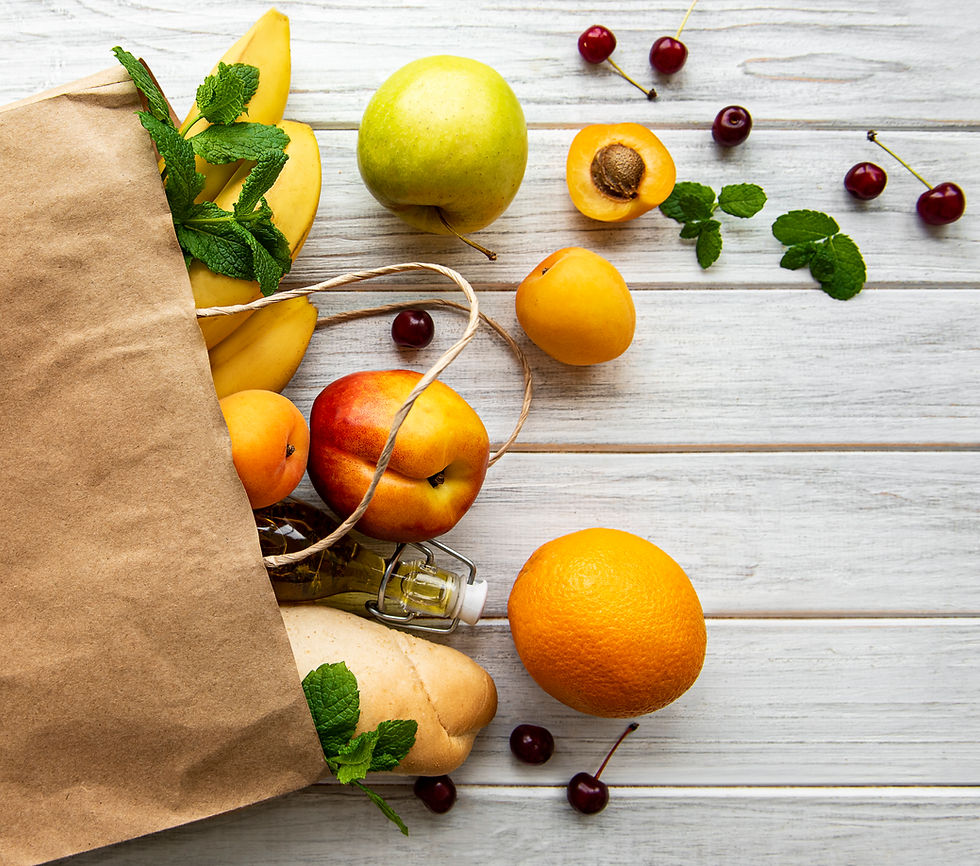

CIBO SANO CHE ESCE DA UNA BUSTA DI CARTA

HORMONE REPLACEMENT THERAPY: RESTORING BALANCE AND COMFORT

Hormone replacement therapy (HRT) is a treatment option that aims to restore the hormonal balance experienced before menopause. By replacing the declining levels of estrogen, HRT can alleviate many menopausal symptoms and provide relief to women. However, it is crucial to consult with a healthcare professional to determine the appropriate dosage and duration of HRT. Certain conditions, such as abnormal uterine bleeding, uterine hyperplasia, personal or family history of breast or endometrial cancer, coagulation disorders, cardiovascular or cerebrovascular diseases, chronic liver diseases, or hypersensitivity to the active ingredients, may contraindicate HRT.


NATURAL SUPPLEMENTS, NUTRITION, AND EXERCISE: COMPLEMENTARY APPROACHES

In addition to medical interventions, there are natural supplements available that may help alleviate menopausal symptoms. Phytoestrogens, including isoflavones, lignans, coumestans, and flavones, have been found to have estrogen-like effects and can be found in various foods such as legumes, whole grains, and red clover. It is important to note that the efficacy of these supplements may vary among individuals, and consulting with a healthcare professional is advisable before incorporating them into one's routine.


Maintaining a healthy lifestyle with attention to caloric intake, vitamin D and calcium supplementation, and regular exercise is also beneficial during menopause. Physical activity not only helps maintain an ideal body mass index but also strengthens muscles and supports bone health. A balanced diet rich in fruits and vegetables, along with the avoidance of hot and spicy foods, can help manage vasomotor symptoms.


SEEKING EMOTIONAL SUPPORT AND SELF-CARE

Navigating menopause involves more than just physical changes; it also requires emotional support and self-care. Women should reach out to friends, family, or support groups to share their experiences and concerns. Engaging in activities that promote relaxation and mental well-being, such as yoga or meditation, can also be beneficial. Taking time for oneself, practicing mindfulness, and engaging in hobbies or activities that bring joy and fulfillment are essential components of self-care during menopause.


CONCLUSION

Menopause is a natural and transformative phase in a woman's life, bringing both expected and unexpected challenges. By understanding and acknowledging the secret symptoms of menopause, women can approach this transition with awareness and empowerment. Seeking guidance from healthcare professionals, exploring treatment options such as hormone replacement therapy, incorporating natural supplements and lifestyle modifications, and prioritizing emotional well-being and self-care are all integral parts of navigating menopause successfully. Remember, knowledge is power, and with the right support, menopause can be embraced as a new chapter of growth and vitality.


  • Writer: Dr. David Della Morte Canosci
    Dr. David Della Morte Canosci
  • Jan 20, 2024
  • 4 min read

The holiday season is a time of joy, celebration, and indulgence. We gather with family and friends, exchange gifts, and enjoy delicious meals and treats. However, it's no secret that these festivities often lead to overindulgence and weight gain. As the new year begins, many of us find ourselves wanting to shed those extra pounds and get back in shape. But how can we do it in a healthy and sustainable way?


UOMO E DONNA FANNO JOGGING E RUNNING

UNDERSTANDING HOLIDAY WEIGHT GAIN

Before we dive into strategies for getting back in shape, let's take a moment to understand why we tend to gain weight during the holidays. It's important to note that occasional indulgence is a normal part of a balanced lifestyle, and there's no need to feel guilty about enjoying festive meals and treats.


During the holiday season, we often consume more calories than usual. Large meals, rich desserts, and alcoholic beverages can quickly add up. Additionally, our bodies have a natural tendency to store excess calories as fat, particularly around the midsection.


SETTING REALISTIC GOALS

When embarking on a journey to get back in shape after the holidays, it's crucial to set realistic goals. Crash diets and extreme exercise regimens may promise rapid results, but they are not sustainable and can be detrimental to your overall health. Instead, focus on making gradual changes that you can maintain in the long term.


CREATING A BALANCED DIET PLAN

A balanced diet is key to getting back in shape and maintaining a healthy weight. Here are some guidelines to help you create a nutritious and satisfying meal plan:

  1. Focus on whole foods: Fill your plate with fresh fruits and vegetables, whole grains, lean proteins, and healthy fats. These nutrient-dense foods provide essential vitamins, minerals, and antioxidants to support your overall health.

  2. Control portion sizes: Even healthy foods can contribute to weight gain if consumed in excess. Be mindful of portion sizes and listen to your body's hunger and fullness cues.

  3. Stay hydrated: Drinking an adequate amount of water is crucial for maintaining optimal health and promoting weight loss. Aim for at least eight glasses of water per day.

  4. Limit processed foods: Processed foods are often high in added sugars, unhealthy fats, and sodium. Minimize your intake of packaged snacks, sugary beverages, and fast food.

  5. Meal planning and preparation: Plan your meals in advance to ensure you have nutritious options readily available. This can help you avoid impulsive and unhealthy food choices.


INCORPORATING EXERCISE INTO YOUR ROUTINE

Regular physical activity is essential for both weight management and overall well-being. Here are some tips for incorporating exercise into your routine:


  • Find activities you enjoy: Choose activities that you genuinely enjoy to increase the likelihood of sticking with them. Whether it's jogging, cycling, swimming, dancing, or practicing yoga, find something that brings you joy and makes you feel good.

  • Start slowly and gradually increase intensity: If you haven't been exercising regularly, start with low-impact activities and gradually increase the duration and intensity. This approach reduces the risk of injuries and helps your body adjust to the increased activity level.

  • Combine cardio and strength training: Cardiovascular exercises such as running or cycling help burn calories, while strength training builds lean muscle mass, which boosts your metabolism. Aim for a balanced mix of both types of exercise.

  • Be consistent: Consistency is key when it comes to reaping the benefits of exercise. Set aside dedicated time each day or week for physical activity, and make it a non-negotiable part of your routine.

donna pranza e cena a palazzo fiuggi e viene servita da un cameriere ospitale

MANAGING STRESS AND EMOTIONAL EATING

Stress and emotional eating can often derail our efforts to get back in shape. Here are some strategies to help you manage stress effectively and avoid turning to food for comfort:

  1. Practice stress-reducing techniques: Engage in activities that help you relax and unwind, such as meditation, deep breathing exercises, or taking a soothing bath. Find what works best for you and incorporate it into your daily routine.

  2. Seek support: Share your feelings and concerns with trusted friends or family members. Talking about your emotions can help alleviate stress and prevent emotional eating.

  3. Find alternative coping mechanisms: Instead of reaching for food when you're stressed or emotional, find healthier ways to cope. Engage in hobbies, spend time in nature, listen to music, or engage in activities that bring you joy.


TRACKING PROGRESS AND STAYING MOTIVATED

Tracking your progress can be a powerful motivator on your journey to getting back in shape. Here are some ways to monitor your progress and stay motivated:

  • Keep a food diary: Tracking your food intake can help you become more aware of your eating habits and identify areas for improvement. There are many smartphone apps available that make food tracking easy and convenient.

  • Set achievable milestones: Break your overall goal into smaller, achievable milestones. Celebrate each milestone you reach, and use them as motivation to keep going.

  • Reward yourself: Treat yourself to non-food rewards when you achieve your goals. It could be a new workout outfit, a massage, or a day at the spa. Find rewards that align with your interests and make you feel good.

  • Buddy up: Find a workout buddy or join a fitness class to stay motivated and accountable. Exercising with others can make your workouts more enjoyable and provide a support system.


SEEKING PROFESSIONAL GUIDANCE

If you're unsure about how to create a balanced diet plan or design an exercise routine, it's always a good idea to seek guidance from a qualified professional. Registered dietitians and certified personal trainers can provide personalized advice based on your specific needs and goals.


CONCLUSION

Getting back in shape after the holidays is a common goal for many of us. By adopting a balanced approach that includes a nutritious diet, regular exercise, stress management techniques, and tracking progress, you can achieve your goals in a healthy and sustainable way. Remember that consistency, patience, and self-compassion are key to long-term success. Start today and embrace a healthier lifestyle for a happier and fitter you.


  • Writer: Dr. David Della Morte Canosci
    Dr. David Della Morte Canosci
  • Jan 13, 2024
  • 4 min read

Maintaining healthy and strong hair is a common goal for many individuals. With the abundance of information available, it can be overwhelming to determine the best approach to hair care. In this comprehensive article, we will explore natural remedies, products, and care techniques that can help you achieve and maintain the luscious locks you desire.


DONNA CHE SI PETTINA SCONTENTE DI COME APPAIONO I SUOI CAPELLI

THE IMPORTANCE OF A BALANCED DIET FOR HEALTHY HAIR

A crucial factor in promoting hair health is maintaining a balanced diet. Proper nutrition ensures that your hair receives the necessary nutrients to grow and thrive. Incorporating certain foods into your diet can provide essential vitamins, minerals, and proteins that contribute to strong and vibrant hair.


PROTEIN FOR HAIR STRENGTH

Proteins, such as keratin, play a vital role in hair structure and strength. Including protein-rich foods in your diet can help fortify your hair strands. Good sources of protein include lean meats, fish, eggs, dairy products, legumes, and whole grains.


ESSSENTIAL VITAMINS AND MINERALS

Several vitamins and minerals are essential for healthy hair growth. Vitamin B5 (pantothenic acid) protects the scalp, while vitamin B6 aids in utilizing amino acids for hair strength. Vitamin B12 contributes to the overall health of the hair and can be found in yogurt and dairy products. Vitamin A aids in sebum production, an oily substance that nourishes the scalp. Foods rich in vitamin A include dark leafy greens and carrots. Biotin and niacin are also crucial for hair health and can be found in eggs, meat, and nuts.


Minerals such as iron, zinc, magnesium, and copper are vital for maintaining healthy hair. Iron promotes oxygenation of the hair follicles and can be found in white meat, fish, and legumes. Zinc helps prevent hair loss and is present in foods like pumpkin seeds and whole grains. Magnesium and copper contribute to hair health and can be obtained from foods like bananas, spinach, and shellfish.


THE POWER OF ANTIOXIDANT

Antioxidants play a significant role in protecting hair follicles from damage caused by free radicals. Vitamin C, a powerful antioxidant, revitalizes hair and prevents breakage and split ends. Foods rich in vitamin C include citrus fruits, strawberries, and parsley.

Omega-3 and omega-6 fatty acids are essential for maintaining a healthy scalp and promoting hair growth. Fatty fish like salmon and mackerel, as well as nuts and seeds, are excellent sources of these beneficial fatty acids.


UOMO CHE SI PETTINA CON UN PETTINE DI LEGNO

NATURAL HAIR CARE PRODUCT

Choosing the right hair care products is crucial for maintaining healthy hair. Opting for natural products that are free from harsh chemicals can help prevent damage and maintain the integrity of your hair.


GENTLE CLEANSING WITH NATURAL SHAMPOOS

When it comes to shampooing your hair, opt for gentle, sulfate-free options. Sulfates can strip the hair of its natural oils, leading to dryness and damage. Look for shampoos that contain natural ingredients like aloe vera, chamomile, and argan oil, which provide nourishment and hydration to your hair.


NOURISHING HAIR WITH NATURAL CONDITIONERS

Conditioners are essential for maintaining moisture and preventing tangles in your hair. Natural conditioners containing ingredients such as shea butter, coconut oil, and jojoba oil can provide deep hydration and help restore the natural shine of your hair.


THE BENEFIT OF MASKS

Treating your hair to a nourishing mask once a week can provide added hydration and repair damaged strands. Look for masks that contain ingredients like avocado, honey, and olive oil, which are known for their moisturizing and strengthening properties.


PROTECTING YOUR HAIR FROM HEAT DEMAGE

Excessive heat styling can cause damage to your hair, leading to dryness and breakage. It is important to protect your hair from heat by using heat protectant sprays or serums before using styling tools. Additionally, minimizing the use of heat styling tools and opting for heat-free hairstyles can help maintain the health of your hair.


INCORPORATING NATURAL OILS

Natural oils can provide numerous benefits to your hair. Coconut oil, for example, can deeply moisturize and condition your hair, while argan oil helps to reduce frizz and add shine. Incorporate these oils into your hair care routine by applying them as a pre-shampoo treatment or as a leave-in conditioner.


TARGET HAIR TREATMENTS

In addition to a balanced diet and natural hair care products, targeted treatments can help address specific hair concerns and promote overall hair health.


SUPPLEMENTS FOR HAIR HEALTH

Supplements can be an effective way to provide your hair with the necessary nutrients for growth and strength. Look for supplements that contain ingredients like amino acids, vitamins (particularly B vitamins), minerals, and antioxidants. These supplements can help support hair growth, reduce breakage, and improve the overall health of your hair.


ORGANIC HAIR COLOR OPTIONS

For those who enjoy coloring their hair, it is essential to choose organic and ammonia-free hair color products. Traditional hair dyes often contain harsh chemicals that can damage the hair and scalp. Organic hair color options are gentler and can help maintain the health and integrity of your hair while achieving your desired color.


CONCLUSION

Achieving and maintaining healthy and strong hair doesn't have to be complicated. By prioritizing a balanced diet, using natural hair care products, and incorporating targeted treatments, you can nurture your hair and promote its overall health. Remember, each individual's hair is unique, so it may take some experimentation to find the best routine and products that work for you. With proper care and a little patience, you can enjoy the beautiful, healthy hair you've always wanted.


bottom of page